Bamboo Manufacturing Process: Crafting Excellence and Sustainability
The Bamboo Manufacturing Process is a sophisticated yet essential approach to harnessing the versatility of one of nature's strongest, most sustainable resources. This process holds significant importance across countries such as Egypt, Israel, Saint Kitts and Nevis, Zimbabwe, and Albania, where bamboo's aesthetic and functional attributes are increasingly valued. As we dare to innovate, understanding this process is fundamental for artisans, manufacturers, and builders alike.
Introduction
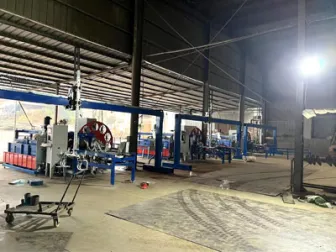
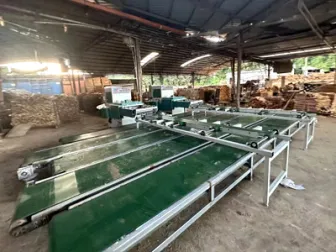
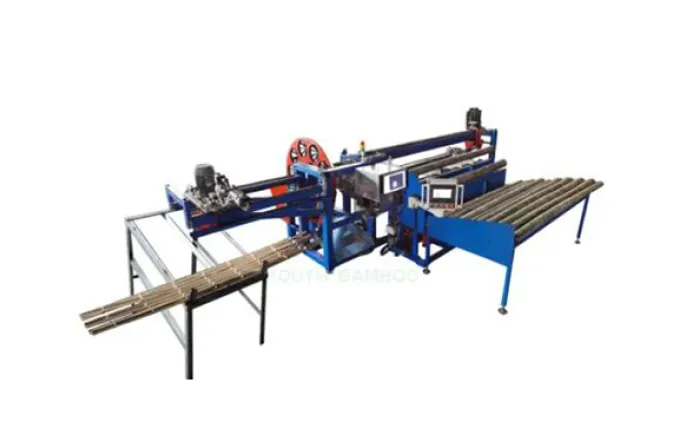
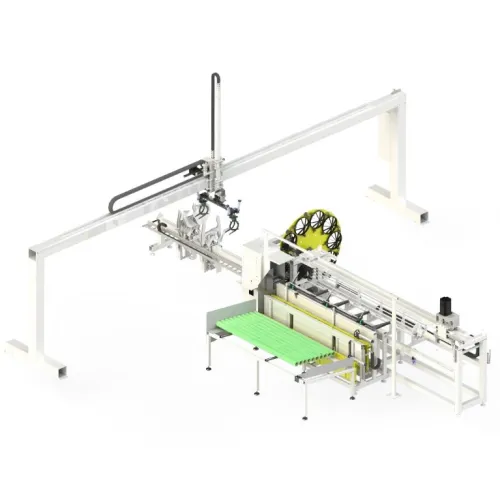
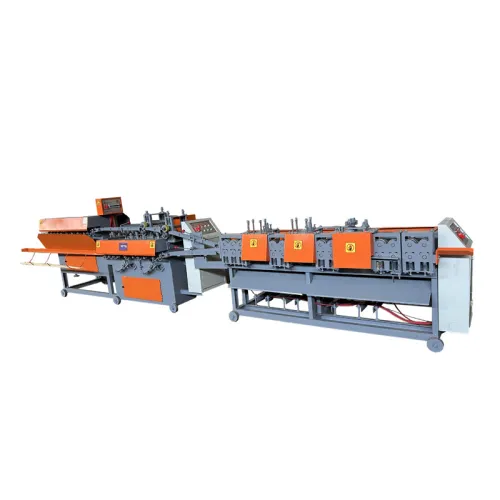
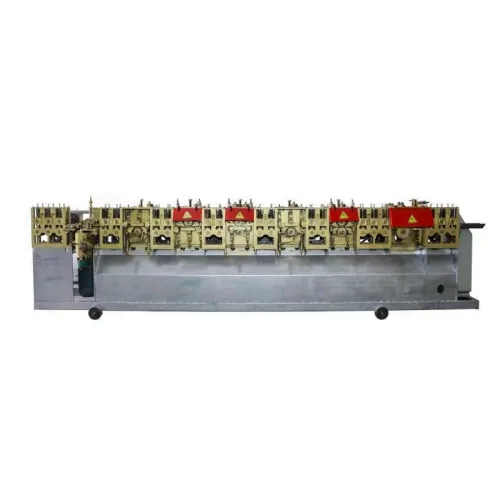
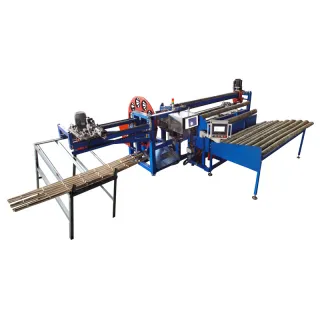
Bamboo is often heralded as a miracle plant due to its rapid growth and incredible strength. The Bamboo Manufacturing Process begins with harvesting, where mature bamboo stalks are selected, typically between three to five years old. This selection is crucial; it ensures longevity and durability for the end products. Following harvesting, bamboo is split and processed using specialized Bamboo Rough Processing Equipment, which prepares the bamboo for further crafting.
Parameters and Production
The production parameters are rigorous, focusing on quality at each stage. Each bamboo section undergoes treatments to eliminate pests and enhance durability. The dimensions are specified based on the final application; whether for furniture, flooring, or decorative items, precision is key. Additionally, bamboo processing for builders often involves intricate milling and shaping to meet structural needs while retaining aesthetic appeal.
Advantages of Bamboo
Bamboo stands out for several reasons. Its lightweight nature offers ease of handling during processing and transportation, while its strength provides robust solutions for various applications. Furthermore, bamboo is a highly sustainable option, as it grows rapidly without the need for fertilizers or pesticides. Its cultivation also contributes to carbon dioxide reduction, making it an eco-friendly choice. Artisans benefit from bamboo crafting techniques that allow for creativity in design, while manufacturers enjoy the efficiency of mass production.
Applications
Various industries are adopting bamboo due to its versatility. From bamboo furniture that adorns homes in Egypt and Zimbabwe to flooring options in Israel and eco-friendly building materials in Albania, the breadth of applications is immense. The bamboo production for artisans enables unique handcrafted designs that appeal to conscious consumers. Alternatively, manufacturers leverage bamboo's properties to produce items efficiently, responding to increasing market demand.
Finishing and Sustainability
The finishing stages enhance the natural beauty of bamboo, allowing for a range of finishes, from natural oils to vibrant stains. This attention to detail adds value and appeal to finished products. Moreover, sustainability remains at the forefront of the bamboo manufacturing narrative; embracing bamboo means committing to environmentally responsible practices.
In conclusion, the Bamboo Manufacturing Process is not just about creating products. It's about crafting a sustainable future, supporting economies, and fostering a connection between artisans, builders, and the environment. Engage with this remarkable process; invest in bamboo, and become part of an innovative movement today.